
Cast stone is finding a growing market. It can add distinction and value out of all proportion to its cost. The material has caught the imagination of architects, builders and their clients from the classical past in Britain to the present day. There’s a simple reason why. It can transform plain facades into something special. It offers class at an affordable price.
What is Cast Stone?
The UKCSA and British Standard definition for cast stone is “any material made with natural aggregates and cementitious binder that is intended to resemble and be used in a similar way to natural stone.”
Cast Stone is often referred to by alternative names such as reconstructed stone, reconstituted stone, artificial stone, synthetic stone, manufactured stone, art stone etc, with reconstructed stone and reconstituted stone being the most common, but the preferred name is ‘cast stone’. The British Standards have further stated that “Specifiers, manufacturers and users of cast stone are advised to avoid terms such as ‘reconstructed’, ‘reconstituted’, ‘artificial’, ‘synthetic’ ” as “These adjectives could imply that the named stone (e.g. ‘reconstructed Portland stone’) is the sole aggregate”.
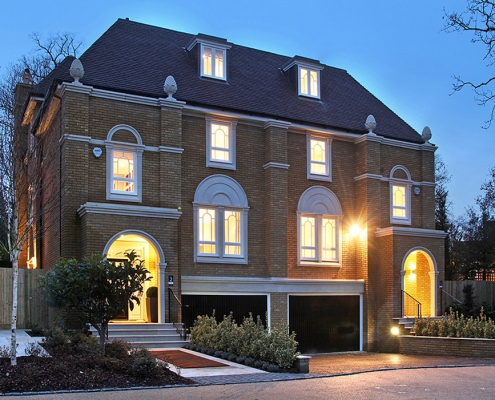
Cast stone is made by using one of three main manufacturing methods, semi-dry, wet-cast or fibre reinforced. It must meet the requirements of BS1217: 2008 or, better still, the more stringent requirements of the UKCSA Standard.
Cast stone is ideal for architectural dressings that call for fine detail around entrances, openings and gables. All types of architectural dressings can be produced – large, small and structurally reinforced. Cast stone can take the form of garden ornamentation and also ashlar masonry where it is often referred to as reconstructed stone.
Comparison with Quarried Natural Stone
Cast stone is a much-used alternative to quarried natural stone which it stands alongside in appearance and performance but is more readily available and normally costs significantly less.
It can beat quarried natural stone on strength, moisture penetration, colour and textural consistency. It’s free from imperfections and stratification is never an issue. Independent research has shown that cast stone can weather like natural stone, and it looks much the same.
Where to Use
Cast stone evokes a sense of timelessness which fits in with any type of massive construction, from domestic housing, to commercial and retail projects, to cathedrals. It’s a highly versatile material, suitable for period and contemporary styles. It complements a range of cladding materials, from brick, quarried natural stone and reconstructed stone to rendered finishes.
Cast stone is regularly used internally and externally for new build, extension and refurbishment projects, including areas of sensitive planning constraints or where quarried natural stone is a predominant material.
Cast Stone Q&A’s
This UKCSA web site aims to answer all of your questions about cast stone, and all of the usual questions are covered on the UKCSA Cast Stone Questions and Answers page.
Should you not find all the answers you require then please contact us with your cast stone questions and we will answer them for you.
History and Development
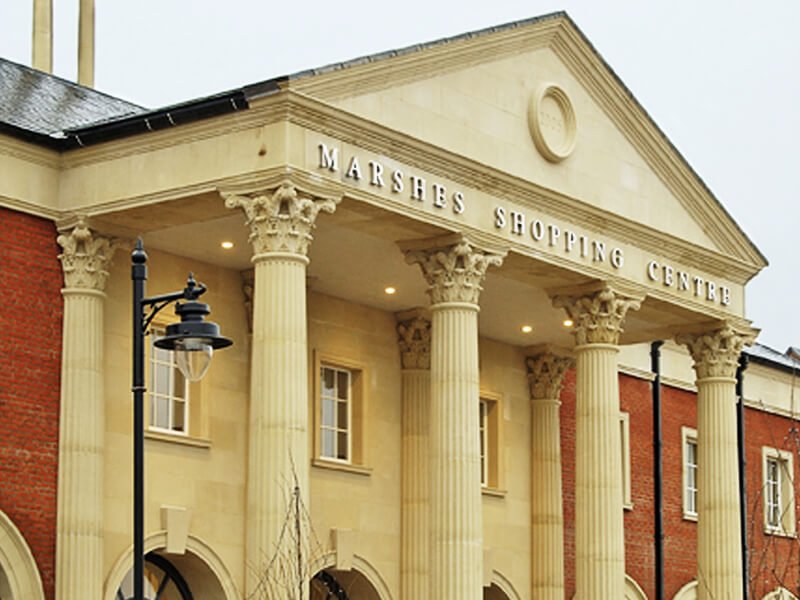
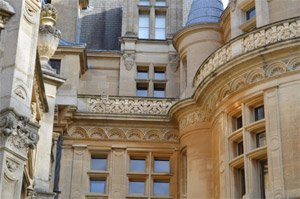
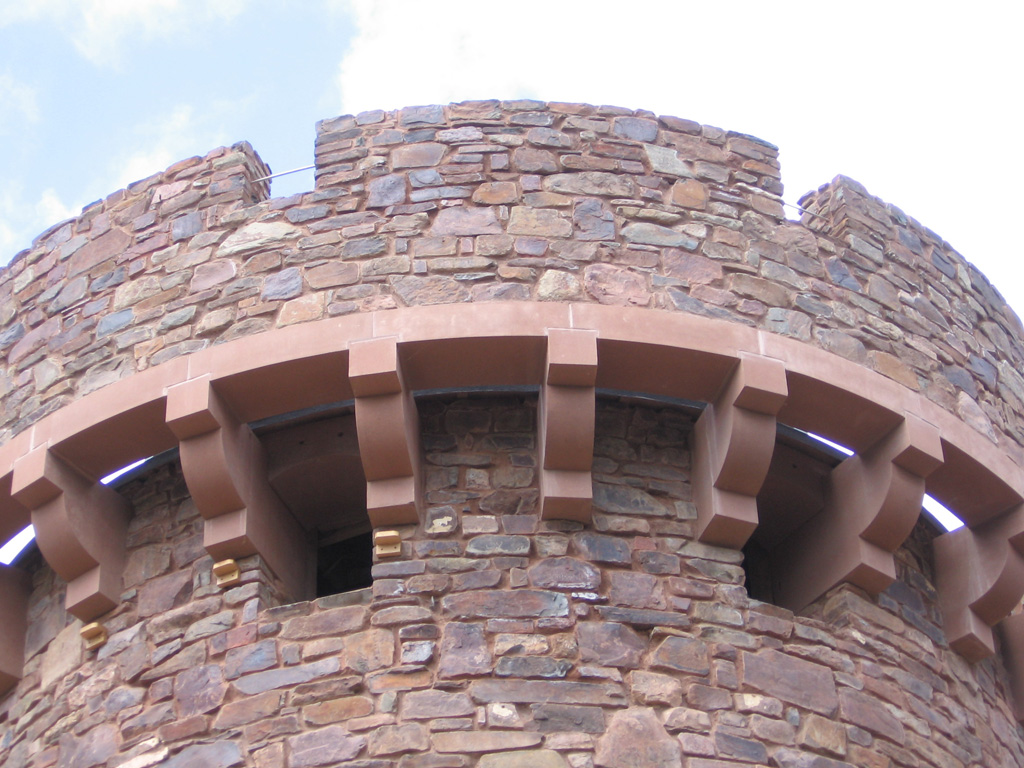
A firm favourite in Britain since Georgian times, the history of cast stone is fascinating. Today it is widely used for mouldings, columns and their entablatures, gables, cornices, balustrading and keystones. In housing, cast stone architectural details such as porticos, window heads and cills (or sills), string courses and quoins are a tried and tested solution.
Compositions have been refined and today’s cast stone is far better made, with better ingredients than ever before. The material provides an ever closer match to quarried stone and a wider range of design possibilities.
Where to buy Cast Stone
According to the UK Cast Stone Association (UKCSA), there are around 160 cast stone manufacturers in Britain. Most operate without adequate quality assurance or testing regimes, and may not be working to proper standards. Yet, as with any building material performing a critical job, it’s vital you can trust the manufacturer.
Selecting cast stone from UKCSA Full Members ensures you are getting the best product and service available, with outstanding product strength, durability and site handling.
Is your cast stone up to standard ?
The UKCSA is the Guardian of Quality in the sector and represents the leading manufacturers. The Association sets high performance standards, and UKCSA Members must go through a strict vetting procedure. These standards are supported by rigorous testing and quality control.
Follow UKCSA


