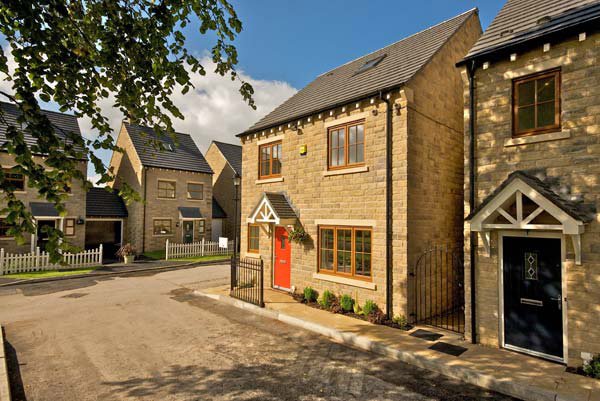
How cast stone adds value to housing
Cast stone detailing fits in with any style of housing, whether it’s finished in stone, brickwork or render. This hugely popular material is used for newbuild, extension and refurbishment projects, including areas of sensitive planning constraints, or where natural stone is a predominant material.
Cast stone is finding a growing market with house builders and self-builders who want their properties to stand out. There’s a simple reason why. Cast stone offers class at an affordable price. The material adds kerb appeal, saleability and provides a close match to quarried natural stone at a fraction of the cost.
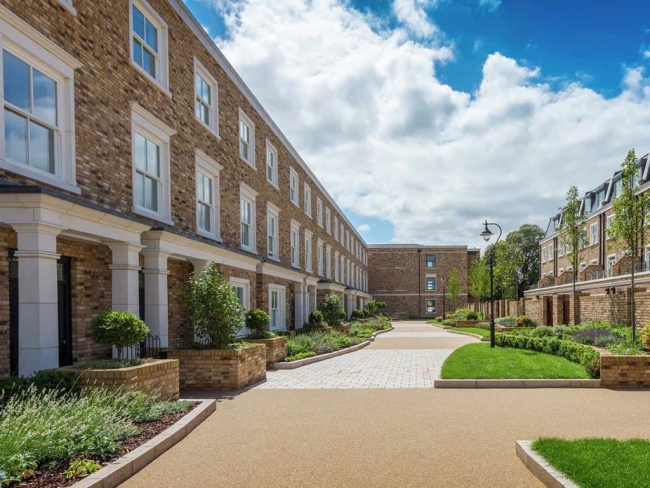
An Ipsos MORI poll revealed a strong public preference for cast stone and that 79% of people would pay an average 4.9% extra for a new house with cast stone details compared to one without.
Where house builders can use cast stone
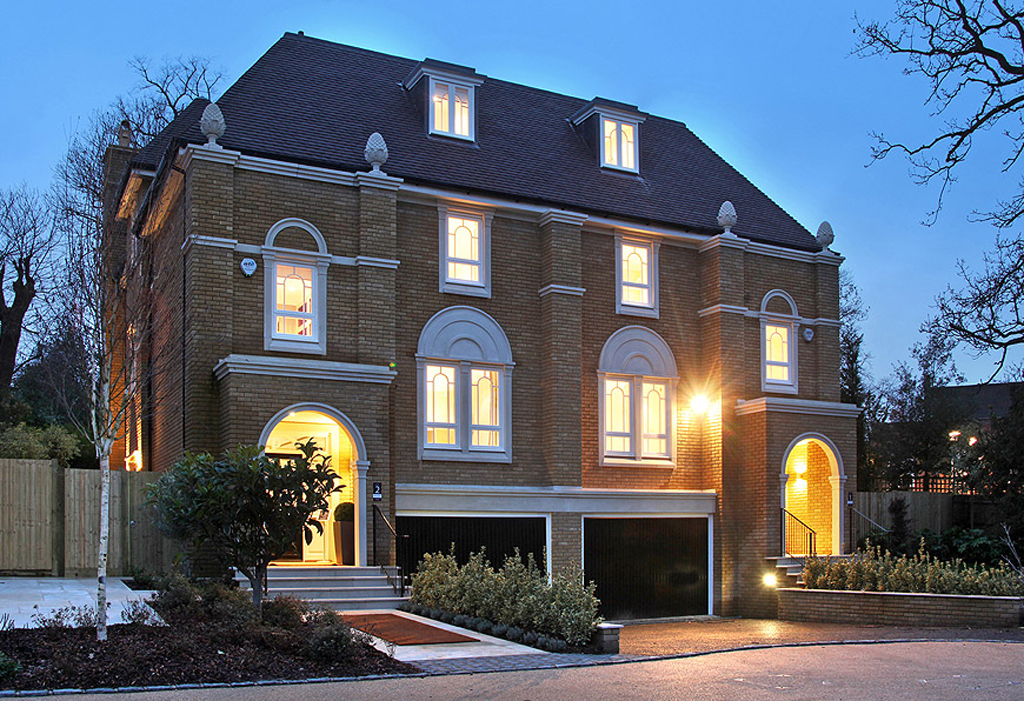
Cast stone details turn even the plainest house facade into something special. Simple and economical to use, there are numerous ways to add interest from ground level to gable:
Openings: window surrounds, heads, cills and keystones
Entrances: porticos, columns and their entablatures, pilasters, architraves and cornices
Walling: quoins, string courses, plinths
Gables and balconies: balustrading, parapet screening, plaques, brackets and corbels
Solid masonry: cast stone ashlar blocks
Around the house: cast stone steps, copings, piers and pier caps, spheres, finials, and garden ornaments
Choosing the right cast stone supplier
Not all cast stone manufacturers are the same. Most operate without adequate quality assurance or testing regimes and may not be working to the proper standards. House builders should specify cast stone from an UKCSA Member to guarantee you are getting the best.
The National House Building Council (NHBC) recognises cast stone in its Standards and states: ‘The use of features made from cast stone should comply with the latest version of BS1217. Better still, use the higher standards adopted by UKCSA members.’
|